The Two's Program
.jpg)
Pre Kindergarten
Transitional Kindergarten
Small Group Rooms
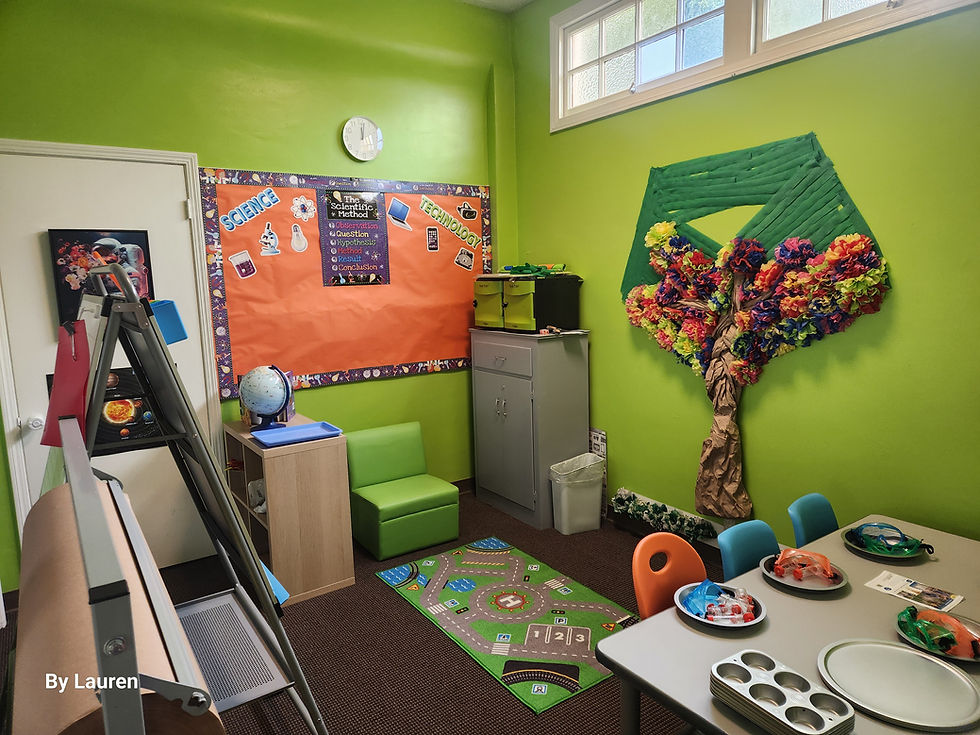
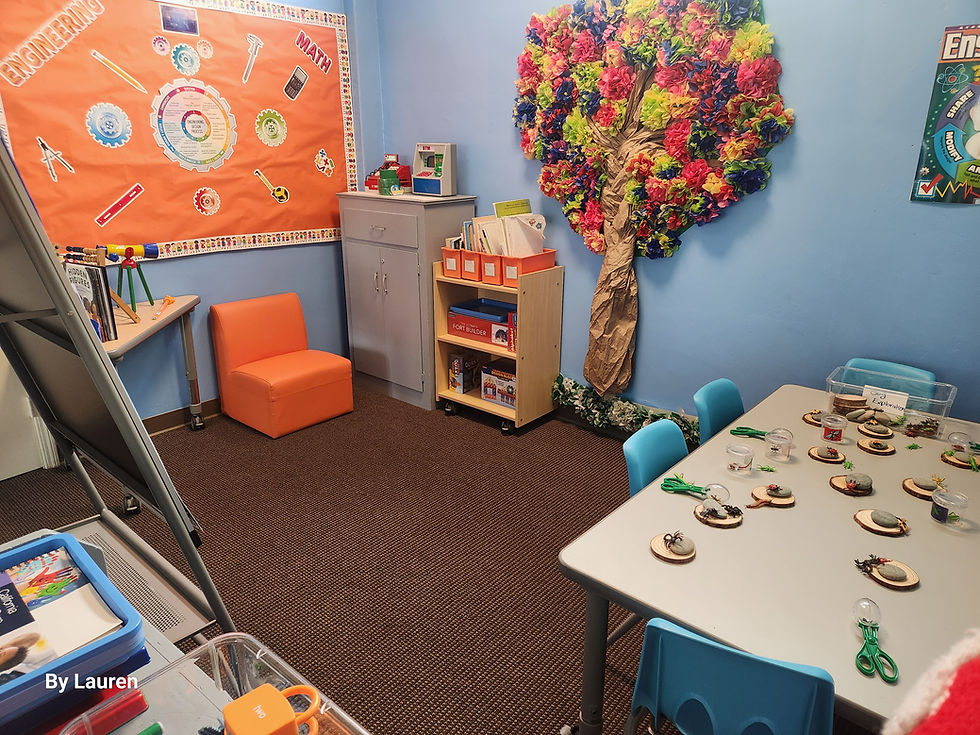
In our small group rooms, students get to spend time with their primary caregiver. Working on long term projects, STEM subject matter exercises and kinder readiness activities. The small group model is essential to keeping children engaged and learning in a quiet setting that helps them focus on the material. Students will have opportunities to collaborate with their small group and problem solve, with an engaged adult nearby to facilitate. Morning meetings and closing circles also take place in this room to support student reflection and front loading about the fun coming the following day. Research has proven that small groups can support many different learning styles and help educators become in tune with how their group learns best.
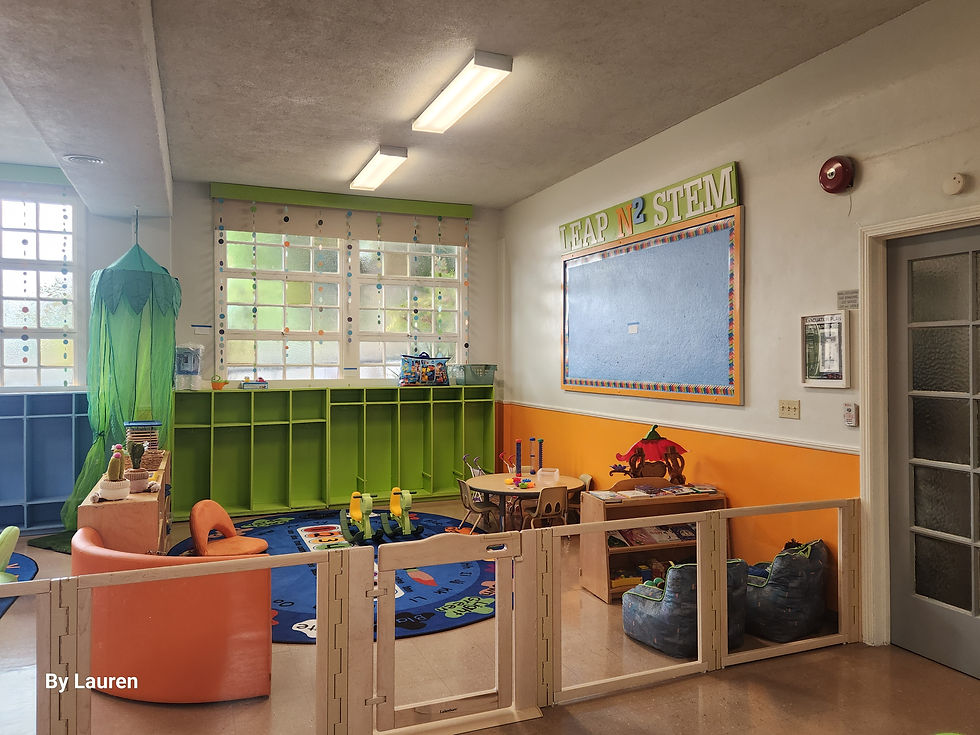
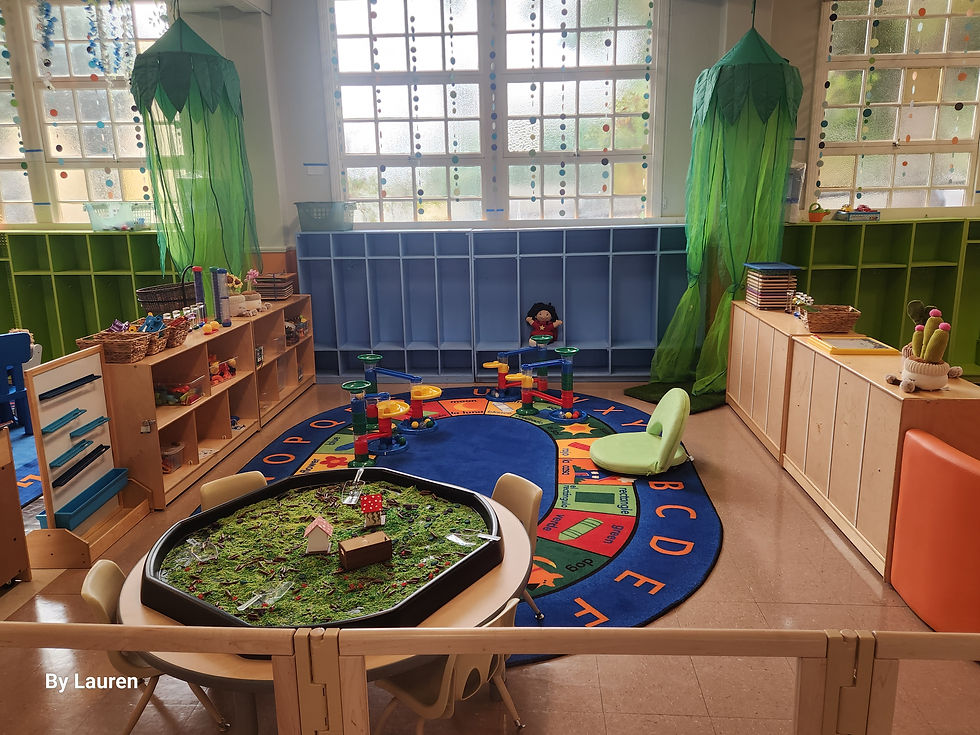
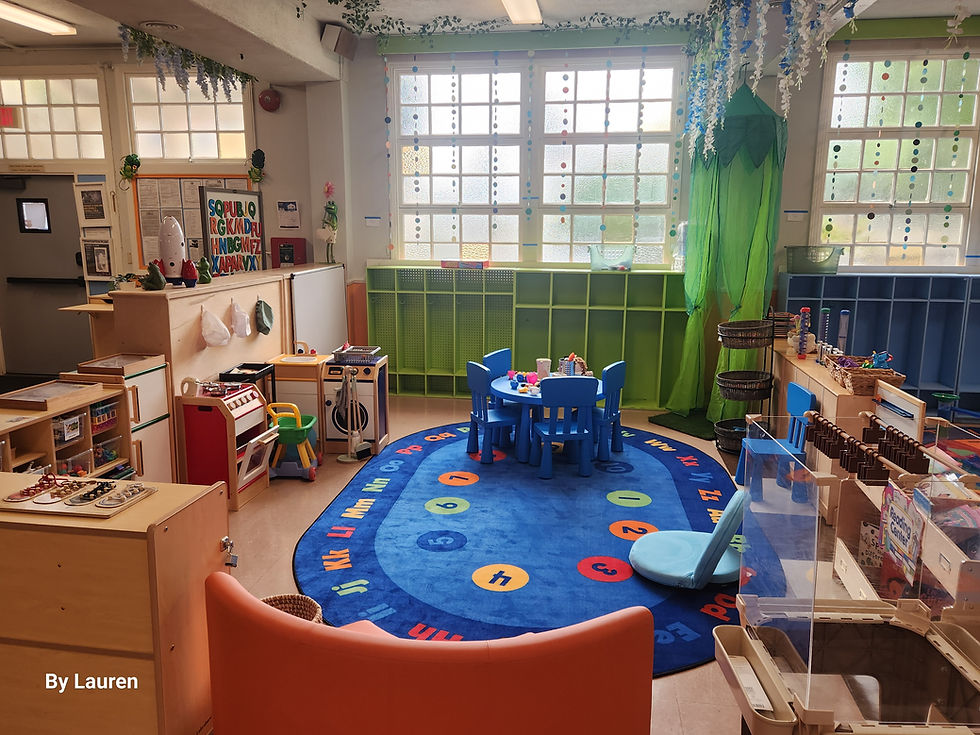
One classroom is used by the two groups, in order to make sure the room is age appropriate and furnished with the materials their educators will use and is located close to the restrooms for toilet learners.
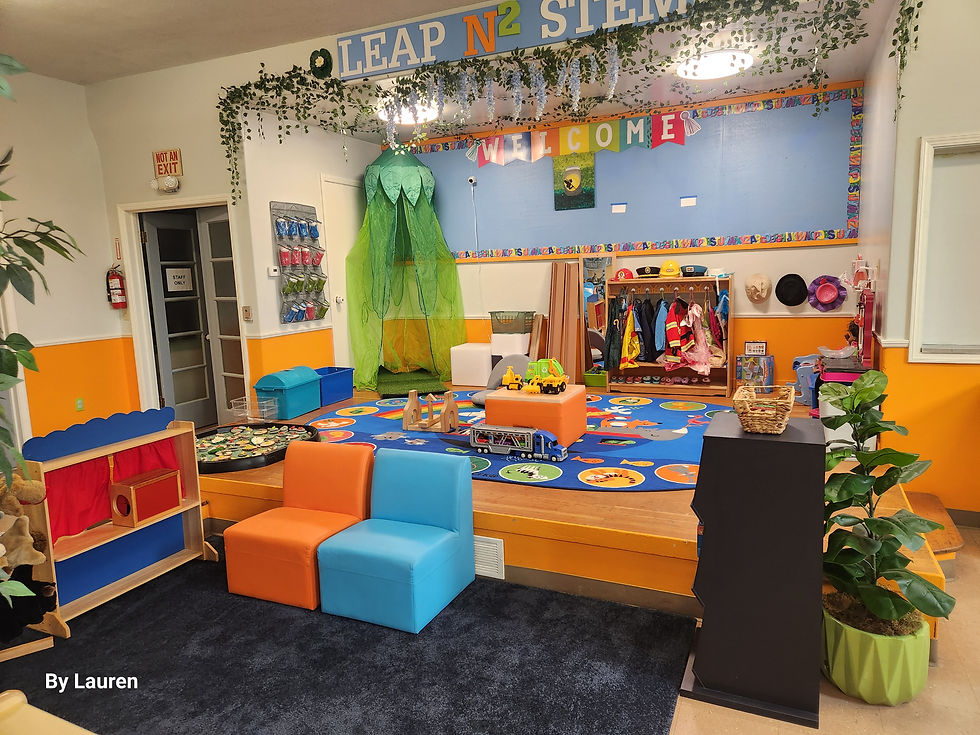
The second room is used by the PreK and TK classes. This combination of materials for both age groups ensures that the PreK group can advance at their own pace and more mature materials are available when the students are ready. Kinder readiness is something we take seriously and we want to give our students the chance to be prepared and confident in the upcoming transition.
Our Programs
Tadpoles 24-36 Mos
Generally the younger twos, who are not yet toileting.
This group is closest to the restroom and learning toileting and body autonomy is a distinct part of the curriculum. We are learning what it means to use the potty, acknowledging how it feels to need to “go” and learning the vocabulary to start communicating specific needs. We also build confidence through learning to self feed, self serve and clean up after meals and play. These skills are also taught in our other classes, but it is taught as a foundational piece in this group to help set them up for success as they move through the program. Through classification, sorting, open ended experiences and exposure to early math concepts, we prepare this group to receive a more advanced curriculum as they find more independence. This class has a primary care group setting of six children, where they will have a caregiver that stays with them for the full length of time as a tadpole. Their specific caregiver will support their toilet learning, activity time, meal times, rest periods and be the primary contact for parents to check in with daily. The students will also have time with their group as a class of 12 to spend time with other peers and caregivers in their age group.
Glass Frogs 24-36 Mos
This group is toilet learned and learning to participate in small group activities that are scheduled in 40 minute sessions. This class also has a primary educator for their small groups of six, that will track their daily routines, activities, meal times and rest periods. The groups will have their daily circle time with these educators as well as their scheduled small group project, activity or experiment times. These groups will continue to emphasize body autonomy, communication and curriculum in Reggio-Emilia and STEM principles. This class will prepare them to begin kinder readiness material in the next class age group the threes. They will spend more time learning to properly use writing materials, paint and glue as well as serving utensils and more advanced manipulatives in the open ended play areas. Children will begin to identify emotions of themselves, their peers and the different options available to them to self regulate or support a friend.
Wood Frogs 36-48 Mos
At three years old, the children will move into the first class to build their STEM and Reggio curriculum around Kinder readiness. There will still be a primary educator for small groups of six for more academic learning times, but there will also be large group activities and projects that will help wood frogs to develop the ability to work in close proximity with other children and collaborate for shared goals and ideas. This group will begin tracking their progress with writing, cutting with scissors, dressing,cleaning after themselves and early letter sounds and number recognition. There will be a mix of daily academic times with traditional sit work and open ended play where they can reinforce the academic topics of the day through personal experience and exposure to the same concepts in different settings. Daily summaries through our brightwheel app, will be shared with parents to see what is prepared for them daily. Students will have access to a separate set of books that they can take home for nightly reading. Reading logs will be given out to track nightly reading at bedtimes. This will help with further language development and set in the routine of nightly reading that research has proven to benefit the development of literacy, advanced vocabulary and a love for learning. Social emotional awareness will be reinforced through dramatic play scenarios, stories, puppet shows and language modeled by the caregivers.
True Frogs 4 -6 years
This group is our TK class where the focus of the program year is Kinder readiness. Early reading, penmanship practice and crafting are utilized to prepare students for success in a kindergarten environment. Leap N2 STEM partners with public and private kindergartens in the community to ensure that our students are prepared for the curriculum they will encounter the following year. Visits to Kinder programs as well as visits at our site from Kindergartens our students will be attending are implemented throughout the year. Families of these students will be invited to Kinder Information nights, held at the center to help parents get the information they need to prepare themselves, their families and have the most access to enroll in the programs of their choice. Students in this group will have a lead teacher and co-teacher that will support the class together. Monthly assessments in different areas of development will be provided for students one on one to make sure their progress is tracked individually and the areas of need are specifically addressed to support improvements. This group will engage in extended group projects as well as individual projects and tasks. Emphasis will be made on learning to ask for help and learning different ways to try and problem solve for themselves and be resourceful. This is meant to support confidence and independence in a setting where one on one support is not always available, like large kindergarten classes. Students will practice assignments that require following step by step instructions to assemble, build and complete tasks.
This group will develop discussion skills through reflection. It will begin in daily opening and closing circles with their class where they will discuss books they have read, what they did during their day and question prompts that will help them learn to share a personal opinion or way of doing something and learn to hear and respect that their peers may do things differently. Social emotional awareness, cause and effect as well as socially expected responses to situations or disagreements that come up between peers will be dissected and interpreted as they arise to help students approach conflict or misunderstandings with appropriate strategies. Many Kindergarten educators emphasize the need for social emotional development as important, even more than typical academic expectations.